ISRN actively engages in research to promote comprehensive development across various contexts.We have conducted various research projects for government and CSR projects. Noteworthy initiatives include:
With the support of the Ministry of Culture, successfully published “Documentation and Compilation of Antyodaya-based best practices as propounded by Pandit Deendayal Upadhyaya”, where 405 best practices across the country were documented.
ISRN published a “Compendium of CSR Best Practices in India”, showcasing 25 exemplary corporate and VO efforts.
Under the banner of G20, Civil 20 SEWA WG, ISRN also published a book called “SEWA- Sense of Service-Compendium of Best Practices across G20 countries.
With the collaboration of CDFI, a pilot survey was conducted with 500 households, using the Sangrah mobile app and SANKALP Big Data Analytics Tool in the Sipahijala District of Tripura. This aided citizens in accessing benefits from active schemes.
In collaboration with Delhi Premier Rotary Service Foundation, a baseline and feasibility study for enhancing agricultural productivity and sustainability is being conducted in 5 districts of Rajasthan, UP, MP & Maharashtra
A baseline survey was conducted in MP to develop a Village Development Plan aligned with the government’s “Saansad Adarsh Gram Yojna” (SAGY) scheme.
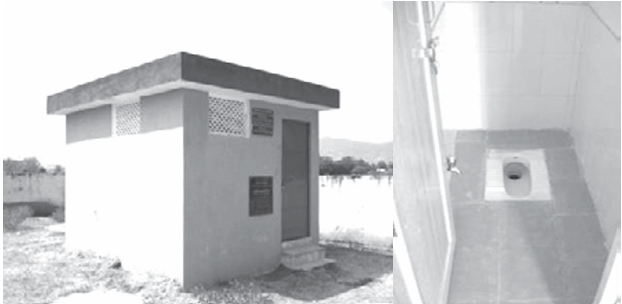
To address the alarming sanitation gap in rural Rajasthan, where over 70% of households lacked basic facilities, Sunil Healthcare Ltd. launched the CSR initiative “Humara Sauchalaya” in partnership with Sulabh International and ISRN. Implemented across villages and schools in Alwar district, the project focused on constructing toilets, improving hygiene awareness, and empowering women through better sanitation access.
ISRN, as the evaluation agency, assessed the project’s impact on behavioural change, hygiene practices, and community well-being. The initiative successfully improved toilet usage, reduced open defecation, and enhanced dignity and safety for women and children, contributing to the goals of the Swachh Bharat Abhiyan.
This research was conducted through a collaborative effort of the Indian Social Responsibility Network (ISRN), Coal India Limited (CIL), and the Tribal Research and Knowledge Centre. The comprehensive study focused on sustainable development issues concerning Scheduled Tribes in India. ISRN conducted this comprehensive study over the past nine months, spanning 11 states and 40 districts. The study garnered responses from approximately 8000 interviewees, collected digitally.
Indian Social Responsibility Network is proudly powered by WordPress